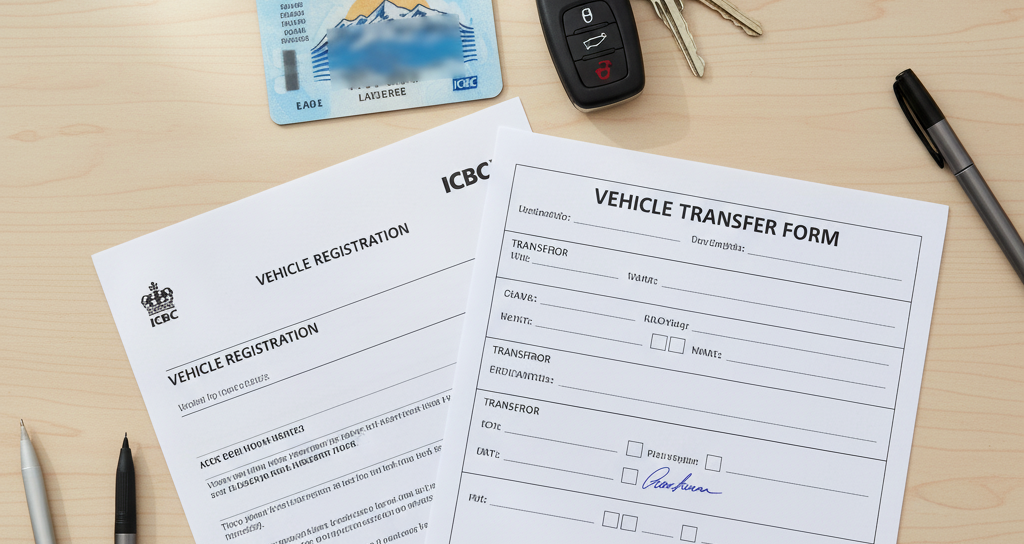



You’ve made the decision: it’s time to get rid of that old vehicle cluttering your space. You call for junk car removal, get a quote, and watch as your car is towed away. But then a question pops into your head: “What actually happens to my junk car now?”
For many Canadians, the world of auto recycling is a mystery. The truth is, the journey of your junk car parts is a fascinating, efficient, and environmentally critical process. This article pulls back the curtain to show you how your unused car gets a second life through Canadian salvage yards.
The First Stop: Arrival and Assessment at the Canadian Salvage Yard
The process begins the moment your junk car arrives at the facility. It’s not just crushed immediately. Instead, it undergoes a detailed assessment.
- Draining Hazardous Fluids: The very first step is an environmental must. All operational fluids are safely extracted using specialized equipment. This includes engine oil, transmission fluid, brake fluid, power steering fluid, and antifreeze. These are stored in dedicated tanks for recycling or safe disposal, preventing soil and water contamination.
- Battery and Tire Removal: The battery (which often contains lead and acid) and tires are removed for separate, specialized recycling processes. This is a crucial step in responsible junk car processing.
- Initial Valuation: An expert quickly identifies the junk car parts with the highest resale value, determining the best path for the vehicle—whether it’s ideal for part-out or direct recycling.
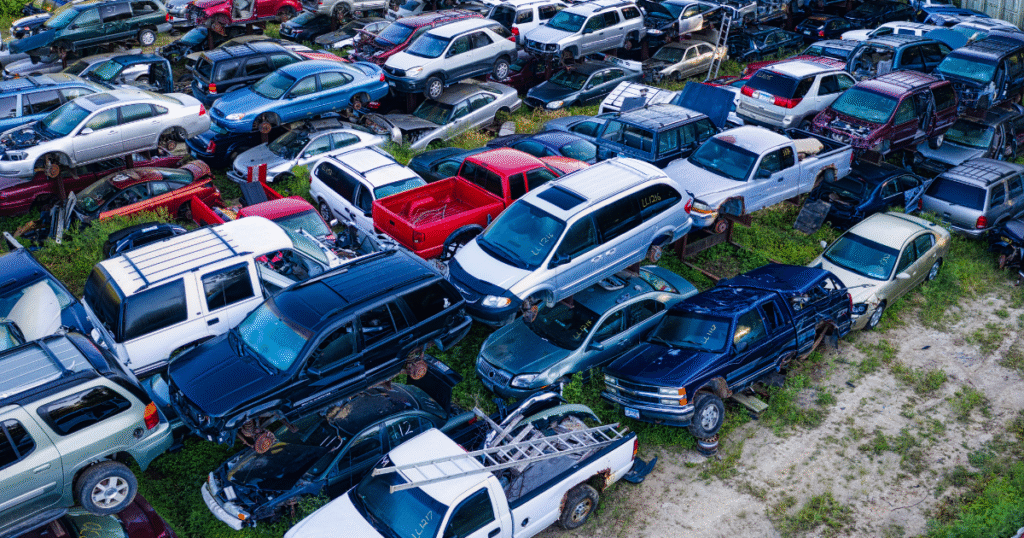
The Part-Out Process: Giving High-Value Components a Second Life
Cars are built with many durable components. This stage is where those parts get a new lease on life.
- Careful Dismantling: Technicians carefully remove valuable parts like engines, transmissions, alternators, starters, and electronic control modules (ECUs).
- Testing and Grading: These components are tested, cleaned, and graded. A working transmission from a popular model like a Honda Civic or Ford F-150 is a valuable commodity.
- Inventory and Sales: The parts are entered into a database and stored on shelves. They are then sold to individual Canadians, mechanics, and body shops looking for affordable, quality used parts to keep other vehicles on the road.
The Core of Recycling: How Junk Car Metals Are Repurposed
Once all reusable parts and hazardous materials are removed, the vehicle’s shell is ready for its next transformation.
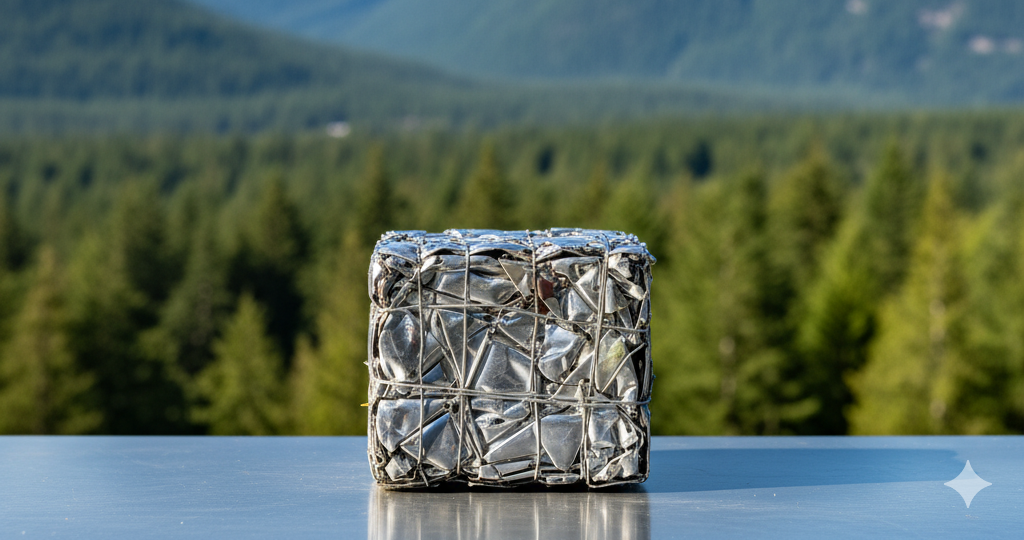
- The Crusher: The remaining body of the car is flattened by a massive industrial crusher into a dense, compact cube of metal.
- The Shredder: This cube is then fed into an enormous shredder that uses powerful hammers to break it down into small, fist-sized pieces.
- Separation: The shredded material is moved along a conveyor belt where advanced separation technologies are used. Powerful magnets extract ferrous metals (iron and steel), while eddy currents separate non-ferrous metals like aluminum, copper, and brass.
- New Life as Raw Material: These sorted metals are baled and sold to mills and foundries. Here, they are melted down and become the raw material for countless new products, from new cars and appliances to construction rebar and steel beams.
The Environmental Impact of Responsible Junk Car Removal in Canada
Choosing a reputable junk car buyer isn’t just about cash; it’s an environmentally conscious decision.
- Conserving Resources: Recycling steel from junk cars uses up to 74% less energy than producing new steel from iron ore.
- Reducing Landfill Waste: Auto recycling is the #1 recycling industry in the world by volume. It keeps millions of tonnes of waste out of Canadian landfills each year.
- Preventing Pollution: The safe removal of fluids and batteries ensures these toxins do not leak into our ecosystem, protecting local waterways and soil quality.

Beyond Metal: The Fate of Glass, Upholstery, and Plastics
Modern auto recycling aims for zero waste. But what about the non-metal parts?
- Glass: Automotive glass is often recycled into insulation materials (fiberglass), concrete blocks, and even new glass bottles.
- Plastics: Bumpers, dashboards, and other plastic components are shredded, melted, and reformed into new plastic products, from garden furniture to new automotive components.
- Upholstery and Carpet: Fabrics and foams can be repurposed into sound-dampening materials or insulation.
How Your Choice in Junk Car Buyers Impacts This Process
Not all salvage yards operate with the same environmental standards.
- Choose a Licensed Operator: Ensure the company you select is licensed and complies with all provincial environmental regulations for fluid disposal and recycling.
- Look for Certifications: Some yards hold certifications that demonstrate a commitment to high environmental and operational standards.
- Ask Questions: A reputable junk car removal service will be transparent about their process and proud of their eco-friendly practices.
Ready to Give Your Junk Car a Green Second Life?
Now you know that your unused car is a treasure trove of parts and materials waiting to be put to good use. By choosing responsible junk car removal, you’re not just earning cash—you’re contributing to a sustainable, circular economy in Canada.
Choose Eco-Friendly Junk Car Removal Today!
At Sell My Car Near Me, we are committed to the highest standards of automotive recycling. We ensure over 95% of your vehicle is responsibly recycled, giving you cash for your car and peace of mind for the planet. Contact us!