


Your Junk Car is a Green Opportunity
When an old car reaches the end of the road in Vancouver, it’s easy to see it as just a piece of junk taking up space. But what if selling that vehicle was one of the most environmentally responsible decisions you could make? In a beautiful region like British Columbia, protecting our natural surroundings is a shared priority. By choosing to recycle your scrap car with a licensed service, you’re not just cashing in—you’re actively contributing to a healthier, greener Vancouver. Here’s how the professional recycling process makes a significant positive impact.
1. Stopping Toxic Fluid Pollution at the Source
A single junk car is a reservoir of hazardous fluids that can seriously harm our local ecosystem. Without proper handling, these substances can leak into the soil and seep into our groundwater, contaminating the very environment we cherish.
Common vehicle fluids include:
- Engine oil and transmission fluid
- Brake fluid and power steering fluid
- Antifreeze (coolant)
- Gasoline or diesel fuel
- Refrigerant (from the A/C system)
Licensed, professional scrap yards follow strict environmental protocols. They start by safely draining all these toxic fluids. These materials are then either responsibly disposed of or purified and recycled for future use, ensuring they never pollute Vancouver’s soil or waterways.
2. Conserving Natural Resources Through Metal Recycling
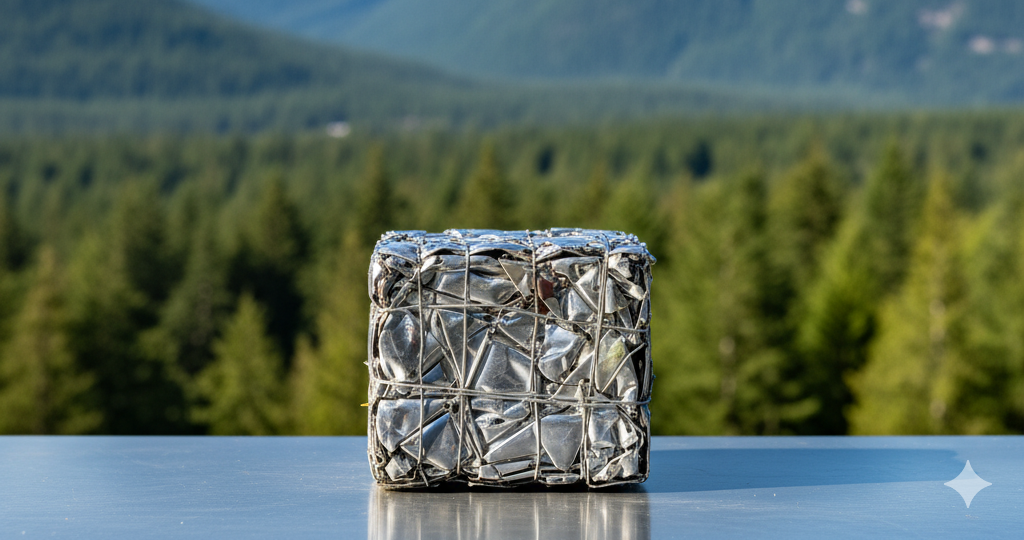
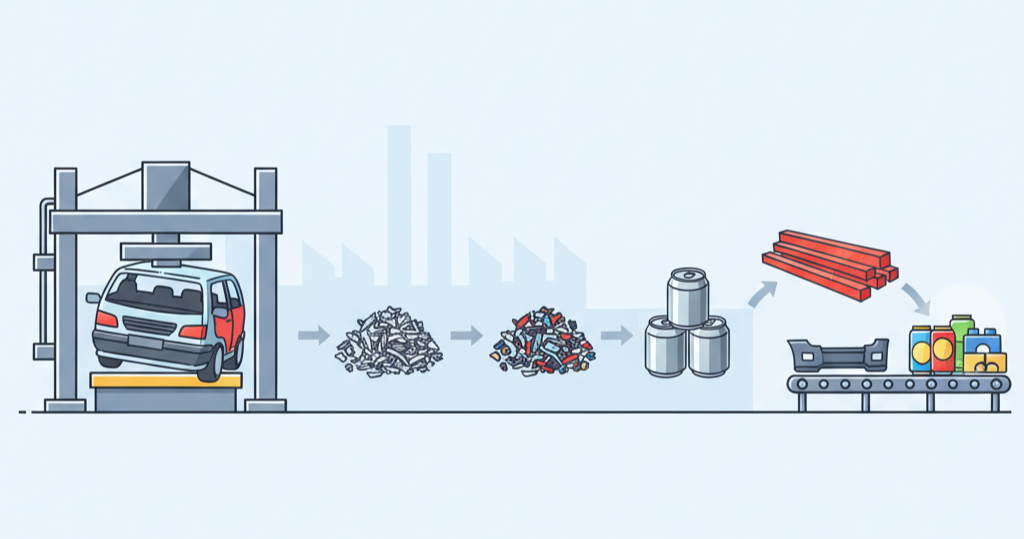
The core of your car is a treasure trove of recyclable metal. In fact, approximately 80% of a vehicle’s weight is made from recyclable materials, primarily steel and aluminum.
Recycling this metal has a profound effect on conservation:
- Reduces Mining: Every ton of recycled steel conserves over 2,500 pounds of iron ore, 1,400 pounds of coal, and 120 pounds of limestone.
- Saves Massive Energy: Producing new steel from recycled materials uses up to 75% less energy than manufacturing it from raw materials. Recycling aluminum saves even more—a staggering 95% of the energy required for new production.
By recycling your car, you’re directly reducing the demand for energy-intensive mining and manufacturing, shrinking our collective carbon footprint.
3. Proper Tire and Battery Disposal
Two components pose a particularly significant risk if sent to a landfill: tires and batteries.
- Tires: Illegally dumped tires collect rainwater, becoming breeding grounds for mosquitoes like the West Nile virus carrier. In a landfill, they can trap methane gas and become a fire hazard. At a licensed facility, tires are shredded and repurposed into valuable materials for playground surfaces, athletic tracks, and even as an additive for road construction.
- Batteries: Car batteries contain highly toxic lead and corrosive sulfuric acid. If crushed in a landfill, these poisons can leach into the environment. Professional recyclers dismantle batteries in a controlled manner, reclaiming the lead for new batteries and neutralizing the acid, ensuring none of it ends up in our ecosystem.
Conclusion: Choose an Ethical Process for a Greener Vancouver
Selling a scrap car isn’t just a transaction; it’s a choice. By selecting a reputable, licensed recycling service, you are ensuring that every component of your vehicle is handled ethically and responsibly. You can take pride in knowing that your decision directly contributes to cleaner air, protected natural habitats, and a more sustainable future for the Vancouver area.
Ready to make an eco-friendly choice? Get a free, instant quote for your scrap car today. We partner with certified recycling facilities to ensure your vehicle is processed the green way, with free towing included.