


The Journey Begins After the Tow Truck Leaves
After you hand over the keys and receive your cash, you might watch your old car drive away and wonder, “What happens now?” The journey of a scrapped vehicle is a fascinating story of recovery, reuse, and recycling. It’s a carefully managed process that transforms an end-of-life vehicle into valuable resources. Let’s follow your car through its final, and most impactful, journey.
Step 1: Secure Transport to the Dismantling Yard
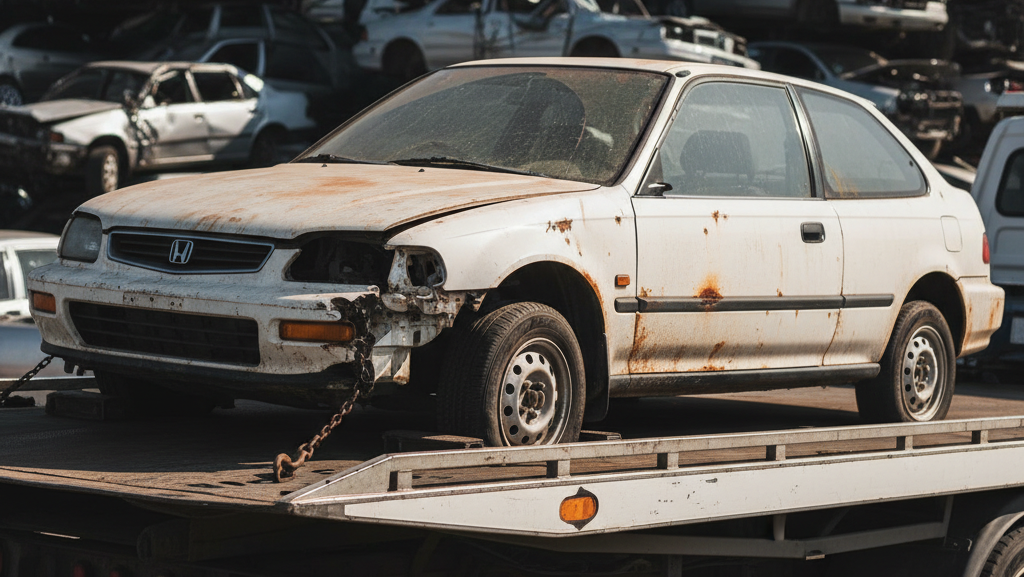
The process begins the moment our tow truck arrives. Your vehicle is securely transported to a licensed, regulated recycling facility. Upon arrival, it’s logged into the system, creating a record of its final destination. This ensures a transparent and traceable chain of custody from your driveway to its ultimate recycling.
Step 2: The Environmental Decontamination (The Green Step)
This is the most crucial environmental step. Before any parts are removed or metal is crushed, the vehicle must be decontaminated. Certified technicians methodically drain all fluids and remove hazardous materials according to strict environmental standards. This includes:
-
Engine oil and transmission fluid
-
Gasoline or diesel fuel
-
Antifreeze (coolant)
-
Brake and power steering fluid
-
Refrigerant from the A/C system
-
Battery acid and lead
These substances are carefully collected, stored, and sent to licensed processors to be recycled or disposed of safely, ensuring they never pollute our soil or water.
Step 3: Parts Harvesting and Salvage
Once the vehicle is decontaminated, it’s evaluated for reusable components. This “parts harvesting” is a key part of the circular economy. High-value, working parts that are in good condition are carefully removed, tested, and cataloged. Commonly salvaged parts include:
-
Engines and transmissions
-
Alternators, starters, and electronics
-
Doors, body panels, and windows
-
Wheels, tires, and interior components
These parts are then sold on the salvage market, providing affordable repair options for other vehicle owners and extending the life of valuable components.

Step 4: The Final Shredding and Metal Reclamation
What remains is the vehicle’s shell. This hulk is crushed and sent to a giant industrial shredder, which tears it into small, fist-sized pieces. This shredded material then goes through a sophisticated separation process:
-
Ferrous Metals: Powerful magnets extract iron and steel, which account for most of the vehicle’s weight.
-
Non-Ferrous Metals: Using advanced techniques like air currents and eddy currents, materials like aluminum, copper, and brass are separated.
-
Non-Metallic Materials: The remaining “fluff” (plastics, rubber, glass) is also processed, with an increasing amount being recycled into new products.
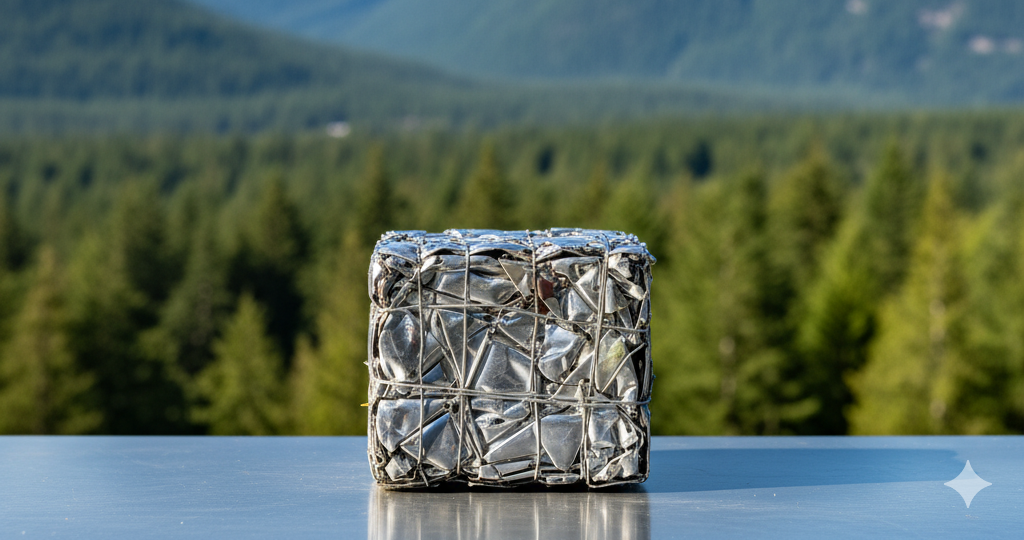
The recovered metals are baled and shipped to mills to be melted down and reborn as new steel beams, aluminum cans, or even new cars.
Conclusion: Your Choice Fuels a Sustainable Cycle
Selling your car for scrap isn’t just an endpoint; it’s the start of a new lifecycle. By choosing a responsible recycler, you are directly contributing to a sustainable industry that conserves natural resources, reduces landfill waste, and protects our environment. Your old car gets a second life, not on the road, but as the foundation for something new.
Ready to give your old vehicle a sustainable send-off? Get a free, no-obligation quote today and be a part of the recycling solution.