


That old Honda Civic that couldn’t pass another Quebec winter or the Dodge Grand Caravan that just failed its Ontario safety inspection is more than just a nuisance—it’s potential cash in your pocket. While most “cash for junk cars” companies operate with honesty, scammers from Vancouver to Halifax prey on homeowners looking for a quick deal.
Your goal is to get the most cash for your clunker with zero hassle. Our goal is to make sure you, as a Canadian, know exactly how to do that. This guide will help you avoid scams and ensure you get a fair price from a reputable auto recycler.
Why Your Junk Car Has Value to Auto Recyclers in Canada
Before we dive into the scams, it’s important to understand why companies pay for what you might see as a lost cause. Your junk car isn’t just a pile of rust; it’s a reservoir of valuable resources for Canadian salvage yards.
- Reusable Parts: Popular Canadian models like the Toyota Corolla, Honda Civic, and Ford F-150 have parts in high demand. A functioning alternator, transmission, or catalytic converter can be refurbished and sold.
- Scrap Metal: The vehicle’s body is made of steel and other metals that are recycled and sold to foundries.
- Fluids and Materials: Even engine oil, coolant, and batteries can be responsibly processed and recycled.
Understanding this value is your first step toward negotiating a fair price and recognizing when an offer is suspiciously low.
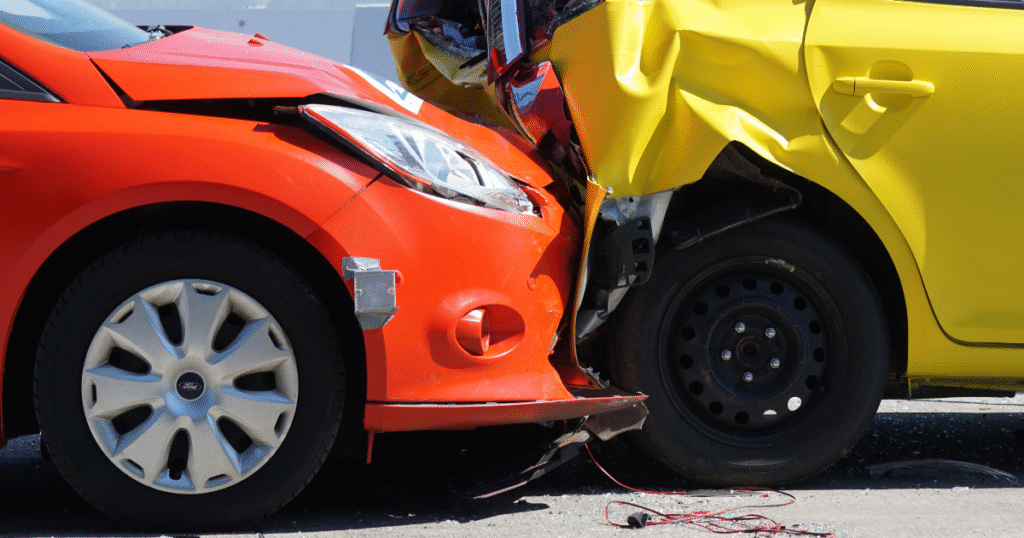
Common Junk Car Buyer Scams Every Canadian Should Know
Being aware of these common tactics is your best defense against dishonest operators in the junk car buyers industry.
-
Red Flag: The Bait-and-Switch Price Drop
You get a solid quote over the phone—let’s say $1,500. The tow truck arrives, the driver looks at your car, and suddenly there’s a problem. They cite unexpected rust, missing parts, or engine issues to drastically lower the offer on the spot, pressuring you to accept.
-
Red Flag: Pressure to Skip Provincial Paperwork
This is a critical issue in Canada. Each province has strict rules for transferring vehicle ownership. A scammer will rush you and avoid properly signing the bill of sale or transferring the ownership with the province. This leaves the vehicle legally registered to you, making you liable for future tickets, fines, or even crimes associated with the car.
-
Red Flag: The Hidden Towing Fee Trick
You agree on a price, and the driver shows up. Then, they surprise you with a “mandatory” towing fee, environmental charge, or administrative cost that was never mentioned in the initial quote, eating into your final payout.
-
Red Flag: The Fake e-Transfer Scam
While Interac e-Transfer is a secure Canadian method, scammers may use compromised accounts or promise to send the payment “after” pickup. In rare cases, they might attempt to reverse the transaction once your car is gone.
How to Get the Most Cash for Cars from Reputable Auto Wreckers
Follow this checklist to ensure a safe, transparent, and profitable transaction with a reputable junk car buyer.
Research Local Canadian Salvage Yards: Don’t just pick the first ad you see. Google the company name and check reviews on BBB Canada, Google My Business, and other local review sites.
- Get Multiple Quotes for Your Car’s Make and Model: Contact at least 2-3 different companies. This gives you a clear idea of the fair market value for your specific vehicle.
- Always Get a Final Offer in Writing: A legitimate company will have no issue emailing you a detailed, written quote. This is your proof against bait-and-switch tactics.
- Understand the Bill of Sale and Ownership Transfer: This is non-negotiable. You must complete the paperwork to legally release yourself from liability.
- Choose Secure Payment Methods: insist on cash upon pickup or a certified bank draft. If using Interac e-Transfer, receive and accept the transfer before the car is hooked up to the tow truck.
- Confirm Free Junk Car Towing and Removal: A professional service will always include free towing in their offer. Never pay to have your car removed.
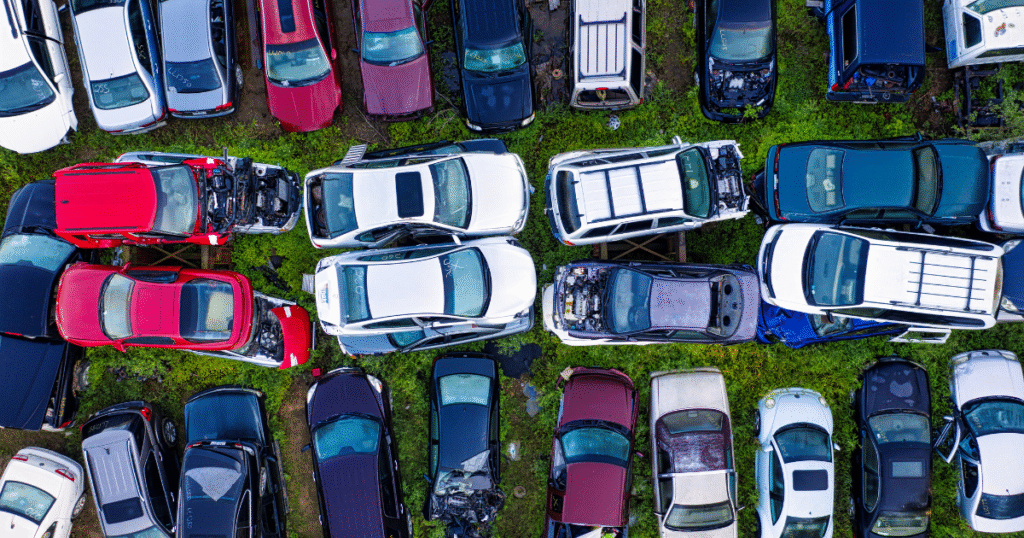
Essential Paperwork for Selling Your Car for Scrap in Ontario, BC, and Alberta
Proper paperwork is your legal shield. Here’s a quick provincial breakdown:
- Ontario: You need a Used Vehicle Information Package (UVIP), a signed Bill of Sale, and the vehicle portion of your permit (ownership) signed by the seller. You must also notify ServiceOntario of the sale.
- British Columbia: You need a signed Transfer/Tax Form and a Bill of Sale. You and the buyer must report the sale to ICBC to release your liability.
- Alberta: You need a signed Bill of Sale and the signed Registration Certificate. You must submit a Notice of Sale to Alberta Registries.
What to Do If a Scrap Car Buyer Scams You
If you believe you’ve been victimized, act immediately:
- Contact Your Provincial Ministry of Transportation (e.g., ServiceOntario, ICBC) to report the sale and dispute the ownership record.
- File a Report with the Canadian Anti-Fraud Centre.
- Report the Company to BBB Canada to warn other consumers.
Ready for an Honest Junk Car Quote? We Buy Cars Across Canada
Selling your junk car in Canada should be a simple and profitable transaction. By recognizing these red flags and following the checklist, you take control of the process. Your clunker has value—don’t let a scammer steal it from you.
Get a Free, No-Obligation Quote Today!
At Sell My Car Near Me, we believe in transparency. We provide written quotes, pay top dollar in cash for junk cars, and handle all provincial paperwork correctly to protect you. Our free towing is included, with absolutely no hidden fees. Contact us!